Signs of Burnout and How Therapy Helps
Barrett Mick MS, LPC-Associate, NCC
Have you ever felt like you had no more room to breathe, drowning in issues surrounding you and just not enough time to get away from it all? Feeling pressure to get things done even when you don’t have enough “gas” left in the tank? These issues are becoming more common in an age surrounded by reduction in the workforce, demands on higher productivity, individualistic cultures without community support, and the looming concerns of AI taking over jobs in the workforce.
What is Burnout?
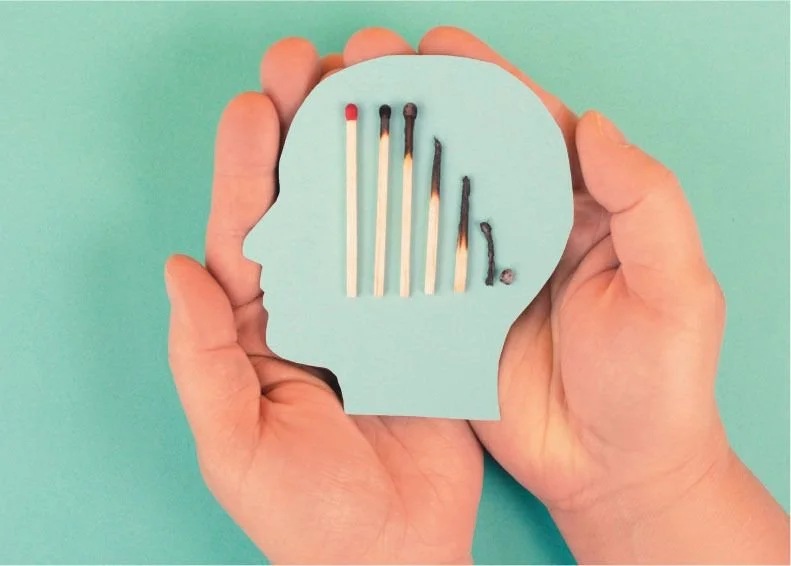
Burnout is typically defined as a state of prolonged emotional, physical, and/or mental exhaustion caused by prolonged stressors in one’s life. Burnout is usually associated with professional stress; however, individuals can experience burnout in different life roles such as the role of a student, caregiver, or other states of high and prolonged demands, typically exceeding what the individual is able to cope with on a long-term basis. Those who are considered “Type A” personality types, those finding difficulties with self-care, or those who go “above and beyond” are most at risk for burnout.
Some individuals may see a teacher or a medical professional come to mind, for others, this could be a military service member or emergency medical technician working long shifts. While these professions can make strong demands of individuals' time and resources, many overlook other common scenarios where burnout is prevalent.
One example could be an individual who is in what is sometimes labeled the “sandwich” generation. This person could be a working mother or father, who is earning financially for the family while supporting an aging parent and children in the home. The stress of raising children and caregiving for a parent while still earning an income leaves emotional and physical health on the back burner for extended periods of time. The difficulty of managing multiple roles and creating routines, taking care of moments of crisis, and being responsible for work obligations can create a perfect recipe for burnout.
Another example could be an individual who is highly motivated to achieve a certain goal. This individual could be considered by their close friends and/or family to be the paragon of success by achieving an advanced degree or creating a thriving new business venture requiring large amounts of time and effort to succeed in.
What are the Symptoms of Burnout?
The most common symptoms of burnout are:

Stress
Irritability
Sleep challenges
Memory/attention difficulty
Concentration challenges
Cynicism
Disengagement from work
Depression
Depersonalization
How is Burnout treated?
There are two major issues to check in with when dealing with burnout. They are:
Exogenic issues (issues outside of the person) that create more stress and pressure on the individual to complete tasks or job criteria, such as being overworked, experiencing workplace employee shortages, or even new responsibilities added to the job.
Endogenic issues (issues within the person) are issues where a person has difficulty creating boundaries and healthy habits within their control to reduce stress and workloads, or even just having difficulty saying “no” to incoming projects, assignments, or responsibilities that are being asked of them that are optional.

Both scenarios are two important pieces of the puzzle, and both contribute to the level of burnout the person may be experiencing. These issues can be treated with:
Therapy
Mindfulness
Career Counseling
Boundary Development
Nervous System Regulation
Stress Management
Self-care
EMDR
Conclusion
While burnout is difficult to navigate when one is experiencing it, there are steps that you can take to help recover from these symptoms before experiencing “breakdowns” or moments of crisis. While some of the challenges lie in the systemic (exogenic) issues above one can easily spot, working with a licensed professional can help you to uncover deeper issues you may not have been aware of in the internal (endogenic) area that are affecting you.
Get started at the Institute for Relational Recovery
If you live in Texas and want to work with a therapist individually, with a group, or both, contact us on our contact page or call (214) 906-5138.
About the Author
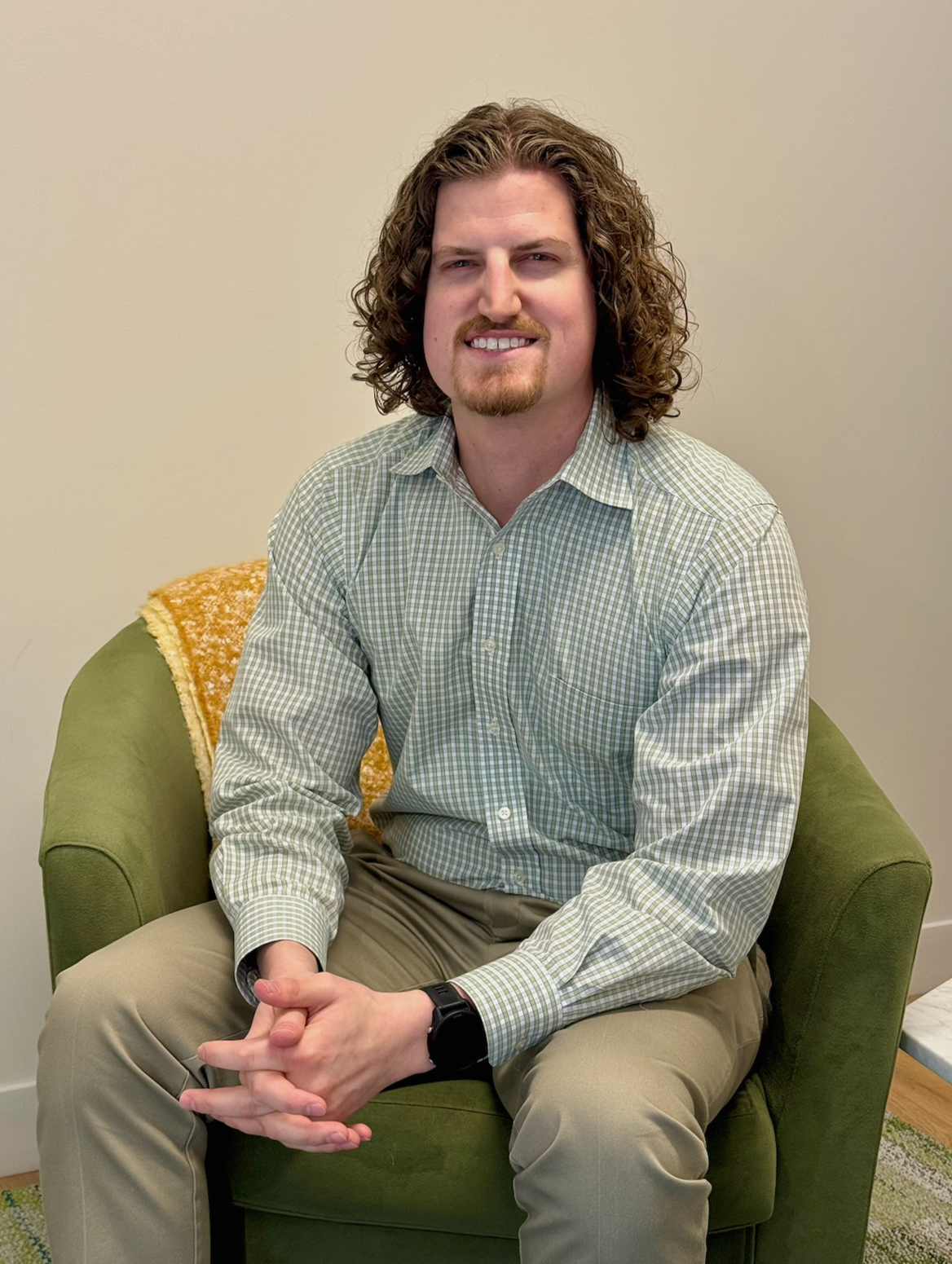
Barrett Mick, MS, LPC-Associate, NCC
(In-person and telehealth therapy in Dallas, TX)
Barrett helps teens and adults who may be challenged by burnout, trauma, codependency, grief, depression, relationship issues, and religious trauma. He is passionate about helping his clients connect with their inner experience by creating a warm, safe space for change and offering accurate, compassionate reflections that support growth.
He is qualified and experienced as a Licensed Professional Counselor Associate in Texas and a Nationally Certified Counselor (NCC) through the National Board for Certified Counselors (NBCC). He is currently pursuing training in Eye Movement Desensitization and Reprocessing (EMDR) and is trained in trauma-informed care and crisis care.
Barrett’s experience includes previously working at the Harold Murphy Counseling Center in Richardson and McKinney, where he provided counseling services to families, educators, and professionals experiencing various forms of trauma, relational issues, and burnout. In prior work experiences, he served others in supportive roles to help them navigate their careers, education, and life stages. Barrett has shaped a holistic, collaborative approach to care and deepened his understanding of the mind-body connection. He holds a Bachelor of Arts in Biology from the University of North Texas and a Master of Science in Counseling from East Texas A&M University.
To learn more about Barrett Mick or to get in contact, click HERE.